

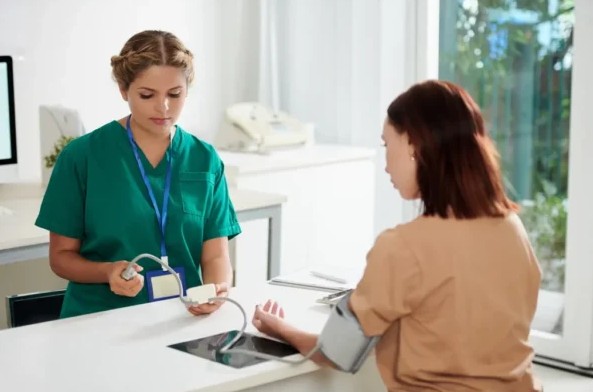
Allied Healthcare Professional
An Allied Healthcare Professional is a unifying term for any professional that works in a health services position. This program in particular focuses on health services positions including pharmacy technician, electronic health records specialist, billing and coding specialist, and medical office administration. At the end of the program, you’ll have the ability to choose from a wide range of positions that fit your career goals.
Behavior Technician and the Medical Office
A Registered Behavior Technician (RBT) works in clinical settings under the supervision of Board-Certified Behavior Analysts (BCBA) to provide treatment plans for patients like autistic children or developmentally disabled adults. The field is focused on science and human behavior and how to alleviate problematic behaviors in individuals. Behavior Technicians may also work in schools or home settings to assist patients in reducing problematic behaviors or learning daily living skills.

Behavior Technician Specialist
Through the Behavior Technician Specialist career training, you will learn the skills needed to provide behavior analysis services. Behavior Technicians work under the supervision of Board-Certified Behavior Analysts (BCBA) by helping to provide treatment plans for patients. Some of the patients they help include autistic children, developmentally disabled adults, and people with problematic behaviors.
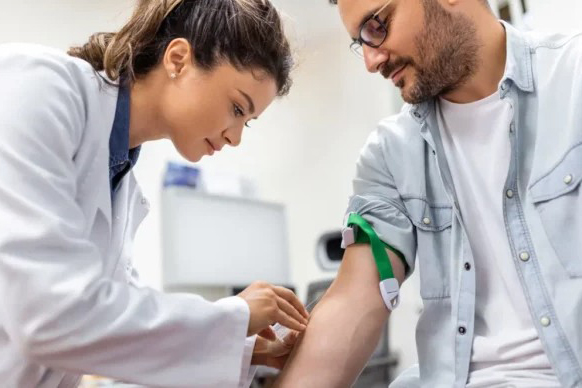
Cardio-Phlebotomy Technician
Electrocardiograph (EKG or ECG) technicians and phlebotomists work directly with patients in a variety of medical settings. An EKG Technician is responsible for operating an electrocardiograph, a machine that monitors the electrical activity in the heart. Phlebotomists collect blood and non-blood specimens for testing, so they can be analyzed in a clinical laboratory.

Clinical Medical Assistant and Medical Scribe Professional
Through the Clinical Medical Assistant and Medical Scribe Professional career training, you will learn the combined skills of a medical scribe and medical assistant, preparing yourself to stand out with clinical expertise. These specialists work alongside physicians assisting with minor procedures and taking notes as well as interacting with patients.
Clinical Medical Professional
Clinical medical professionals provide essential services to the day-to-day functions of medical practices while ensuring that offices and clinics run smoothly. As a clinical medical professional, duties you may be responsible for include: updating patient records, handling laboratory specimens, taking and recording patient vitals and stocking exam rooms with supplies.
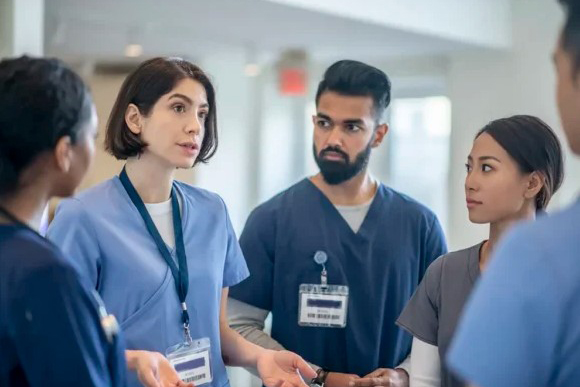
Clinical Medical Specialist
Through the Clinical Medical Specialist career training, you will learn the combined skills of a phlebotomist and medical assistant, preparing yourself to stand out with clinical expertise. These specialists work alongside physicians assisting with minor procedures as well as interacting with patients.
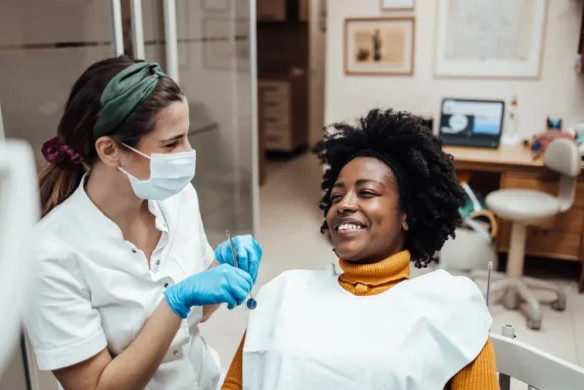
Dental Assistant
A dental assistant is a professional who supports a dentist and dental hygienist in a myriad of ways. They are highly visible members of the dental practice team. Job duties include scheduling patient appointments, obtaining preliminary vital signs and symptoms, performing diagnostic testing, creating laboratory molds, taking x-rays, and assisting the dentist through all visits and dental procedures.
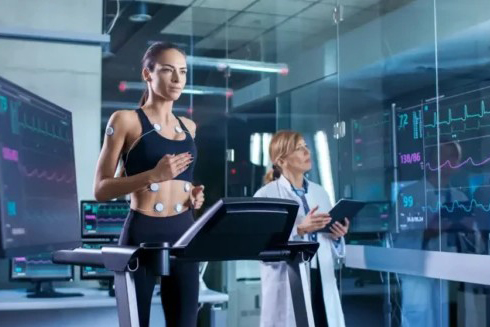
EKG Technician
EKG technicians support doctors and other health professionals by performing cardiovascular tests, working with patients, and monitoring equipment. Ideal candidates for this online program have excellent interpersonal skills, are detail oriented, possess a caring and compassionate personality, and are interested in learning about high-tech mechanical equipment.

Electronic Health Records and Reimbursement Specialist
With the Electronic Health Records and Reimbursement Specialist career training, you’ll learn the skills needed to succeed. You’ll gain experience in handling patient data.
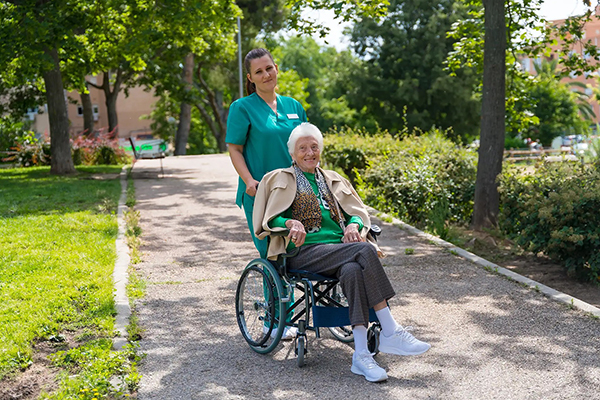
Geriatric Medical Assistant
A Medical Assistant specializing in geriatric care works with elderly patients (typically aged 65 and older), focusing on their specific healthcare needs and complex medical conditions. They assist with daily routines, administer medications, take vital signs, and educate patients and their families about managing chronic conditions.

Electronic Health and Medical Records Specialist
With the Electronic Health & Medical Records Specialist career training, you’ll learn the skills needed to succeed. You’ll gain experience in handling patient data.
Health Unit Coordinator
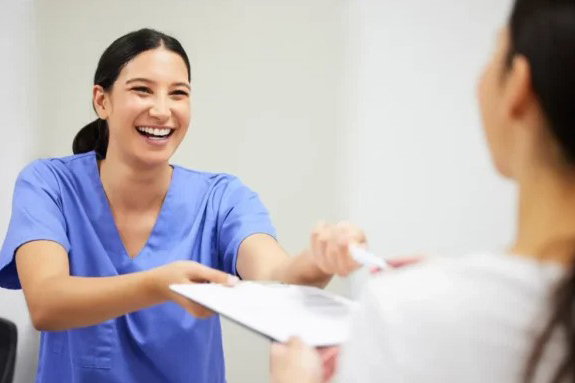
Health unit coordinators wear many hats in a healthcare setting, supporting everything from patient relations to monitoring compliance. Ideal candidates for this online program have excellent communication and critical thinking skills, are able to effectively multitask and are independent self-starters who can make decisions quickly.

Healthcare Administration Professional
Healthcare Administration Professionals are responsible for providing support in areas such as billing, insurance, medical records, and compliance.
Students who complete the Healthcare Administration Professional program will be comfortable with healthcare compliance, medical terminology, and best practices for insurance and billing. They will also be prepared to tackle a wide array of tasks, including electronic record keeping, front office procedures, and managing healthcare regulations and laws.
Healthcare IT Technician
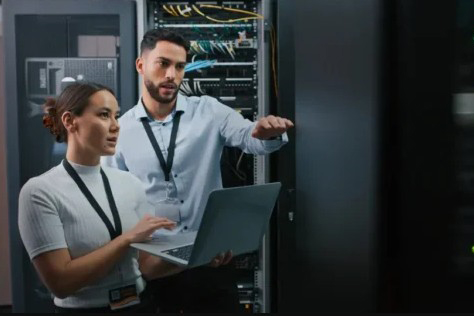
Healthcare IT Technicians are responsible for keeping IT systems updated and secure, reviewing reports, compiling statistics, and managing patient data.
Students who complete the Healthcare IT Technician program will be prepared to install and configure workstations, manage patient information, and comply with regulations related to record-keeping.

Medical Assistant
Medical assistants often find themselves working in fast-paced environments, helping to ensure that patient care and office operations run as smoothly as possible. From processing intake to recording vital signs, their daily schedule is always made up of many essential tasks.
Medical Billing Specialist
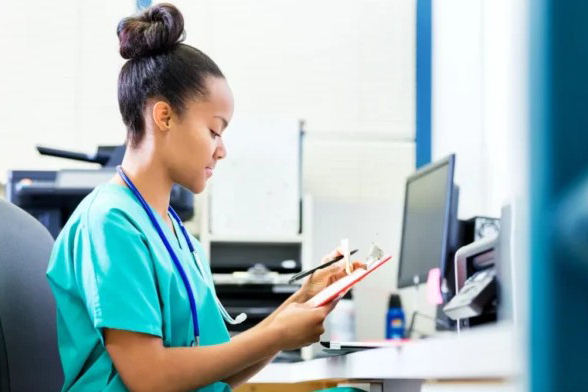
A medical billing specialist takes information from patient records relating specifically to procedures, symptoms, and diagnoses and submits claims for insurance reimbursement. They are an integral part of the medical insurance and claims process.
Medical Coding and Billing Professional
A professional medical coding and billing professional operates in two different capacities. They work by both assigning medical codes and processing healthcare insurance claims. By being able to fill both roles, medical coding and billing professionals are highly sought after.
Medical Front Office Administration Specialist
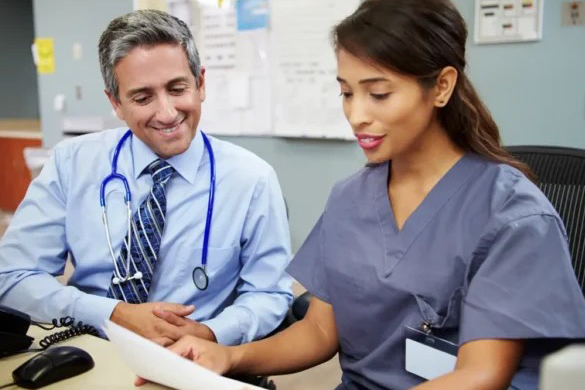
With the Medical Front Office Administration Specialist career training, you open the door to a variety of front office positions. This career training provides you with skills to provide administrative support in a medical setting. These skills include information management, appointment scheduling, basic financial understanding, and telephone customer service.

Medical Front Office and Electronic Health Records
With the Medical Front Office & Electronic Health Records (EHR) career training, you’ll learn the skills needed to succeed in a variety of different settings. You’ll gain the experience to handle patient data, coding, medical records, and other front-office tasks while also understanding how to handle direct contact with patients.

Medical Front Office Assistant and Administration Specialist
With the Medical Front Office Assistant and Administration Specialist career training, you open the door to a variety of front office positions. This career training provides you with skills to provide administrative support in a medical setting. These skills include information management, appointment scheduling, telephone customer service as well as more advanced tasks like managing insurance claims, reimbursement and coding.
Medical Laboratory Assistant
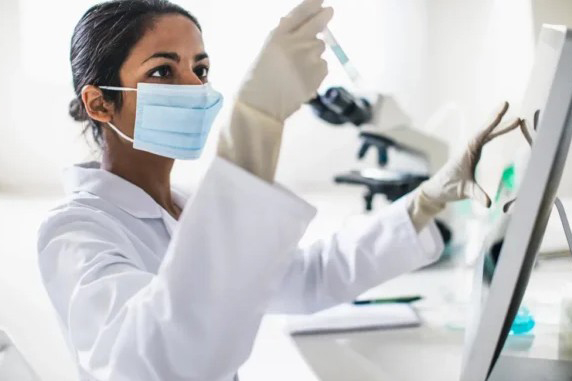
Through the Clinical Medical Laboratory Assistant career training, you will learn the skills needed to collect and test specimens. This position typically is typically hands-on, working directly with patients. They collect blood, tissue and other samples for testing, sometimes during difficult times in a patient’s life, so compassion is a huge part of their role.
Medical Scribe and Administrative Professional
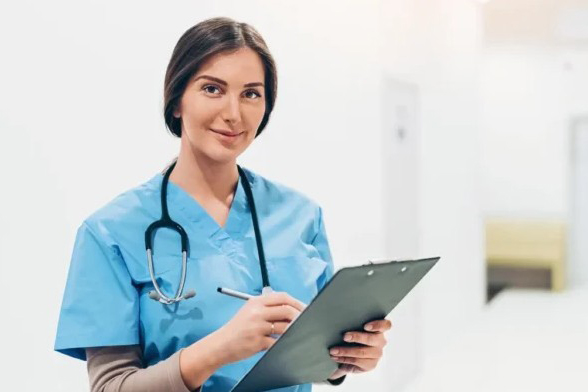
Through the Medical Scribe & Administrative Professional career training, you will learn the combined skills of a medical scribe and medical administrative professional. This training equips students to work in a variety of healthcare settings. This gives you the versatility to accomplish many roles within the medical office. Some of the tasks this training prepares you for are transcribing for a physician or practitioner, handling phone calls, retrieving lab results, as well as other medical scribe tasks.
Medical Scribe Professional
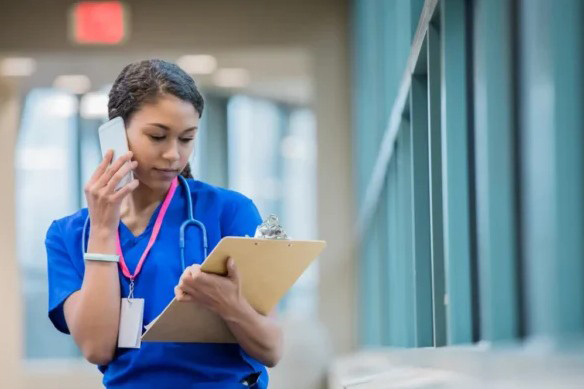
Through the Medical Scribe Professional career training, you will learn how to document the patient’s story, the patient’s interactions with the physician, the procedures performed, and any other important information. A medical scribe professional collaborates with a physician and fulfills the primary clerical and non-medical functions of a physician or practitioner.

Professional Caregiver
A Professional Caregiver provides assistance and support – in the form of bathing, dressing, meal preparation and companionship – to individuals who need help with daily activities due to illness, disability, aging or other health conditions. Tasks typically center on non-medical support.
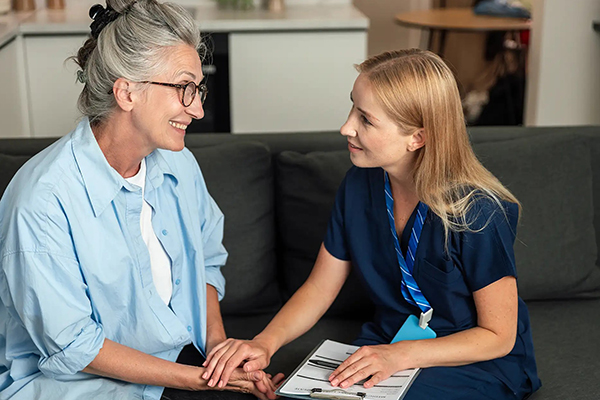
Mental Health Aide and Personal Caregiver
A Professional Caregiver provides assistance and support – in the form of bathing, dressing, meal preparation and companionship – to individuals who need help with daily activities due to illness, disability, aging or other health conditions. Tasks typically center on non-medical support.

Mental Health Support Specialist
Mental health support staff have the opportunity to interact with clients on a day-to-day basis. During the day, mental health support specialists participate in client intake, crisis care and inpatient care, including assistance with clinical skills, like taking vital signs, as well as some activities of daily living, or ADLs. They support and assist the client through all phases of treatment, helping to provide a physically safe and therapeutic environment, which may include encouraging the client to participate in group therapy. Mental health support specialists also support the client by communicating observations and concerns to the client’s mental health care team. Accurate documentation of both clinical duties and observations is a key responsibility of the mental health support specialist.

Mental Health Support Professional
A Mental Health Support Professional, also known as mental health technician, mental health care worker, psychiatric technician, mental health assistant or behavioral health associate, is an individual who assists psychiatrists, psychiatric nurse practitioners, and licensed mental health therapists in the care of clients with psychiatric illness and/or developmental disabilities.

Medication Care Coordinator
With the Medication Care Coordinator career training, you’ll learn the skills needed to provide support within a pharmacy. Your work/role will help to improve the overall patient experience.
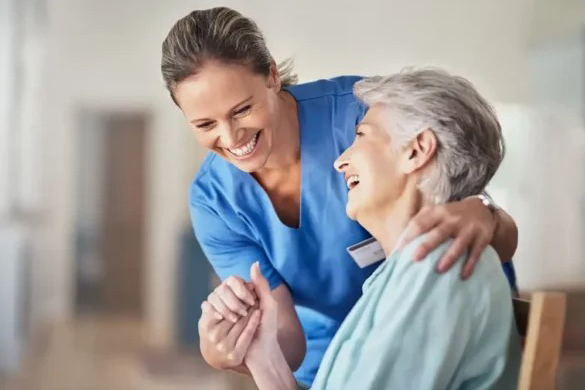
Patient Care Technician
A patient care technician is a professional who works with doctors, nurses, and other health care professionals to provide primary care to patients. Patient care technicians typically work on the front lines providing patient care. They assist with the critical day-to-day care some patients require.
Patient care technicians have a wide range of responsibilities from medical tasks, such as taking vital signs, to basic care tasks, such as feeding and bathing patients. Two of the most important responsibilities a patient care technician has are providing emotional support to patients and families, and assisting with communication regarding patient care needs.

Personal Trainer and Nutrition Coach
Personal trainers and nutrition coaches work with individuals and groups in a fitness and nutrition capacity. They evaluate their clients’ fitness levels and curate a plan for them based on their current abilities and goals. The addition of the nutrition coach certification alongside the personal training certification allows for the trainer to provide an even more nuanced training program for their client that includes nutrition.

Pharmacy Technician Professional
A certified pharmacy technician is a professional who is able to work alongside pharmacists in order to help patients receive their proper medications. They play a vital role in providing safe and effective patient care.
Pharmacy technicians work with pharmacists to provide quality patient care by filling prescriptions and measuring and dispensing the required medication dosage to patients. They also assist with billing and record-keeping of patient records, as well as managing medication inventory.

Pharmacy Technician Specialist
With the Pharmacy Technician Specialist career training, you’ll learn the skills needed to succeed in a pharmacy setting. You’ll learn how to fill prescriptions and count pills as well as making sure patients receive the best care and obtain the best result from their medications.
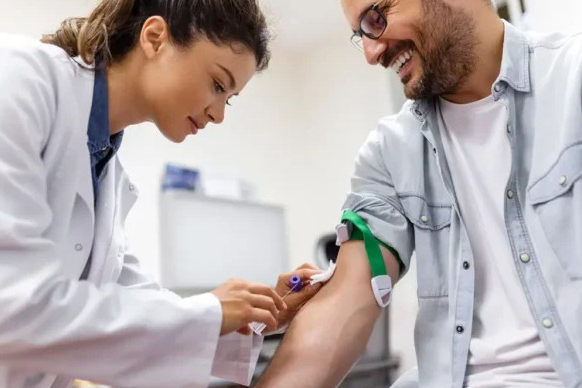
Phlebotomy Technician
A phlebotomy technician is a professional who is trained to collect blood samples. Other tasks have begun to fall under their purview including collecting throat cultures and urine specimens (non-blood samples).
Blood and non-blood specimens are collected for testing so they can be analyzed in a lab to diagnose illness, evaluate the effectiveness of medications, determine whether a patient is receiving proper nutrition and more.
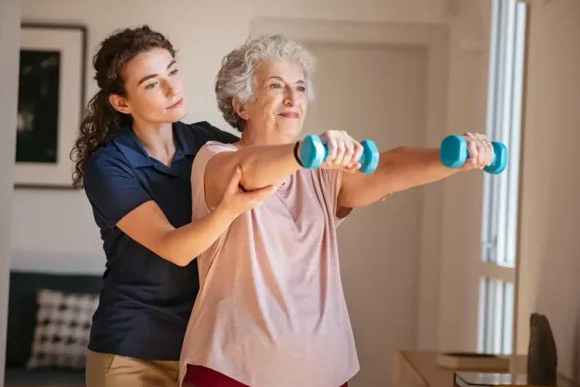
Physical Therapy Aide and Administration Specialist
Physical Therapy Aide and Administration Specialists are responsible for directly supporting Physical Therapists, which includes assisting with patient exercises, documentation, and clerical responsibilities. Ideal candidates for this program are motivated, organized individuals who work well in a team setting, are detail-oriented, and are able to multitask while delivering exceptional patient care.
Students who complete the Physical Therapy Aide and Administration Specialist program will be prepared to assist members of physical therapy teams, readying spaces for patient treatment, monitoring equipment and supplies, as well as various administrative duties.

Professional Coder
A medical coder reads a patient’s file and translates everything in the file to a universal code accepted by insurance companies. Everything that happens at each appointment is analyzed and assigned a code by the medical coder. This includes supplies used, diagnosis and treatment.
Sterile Processing Technician
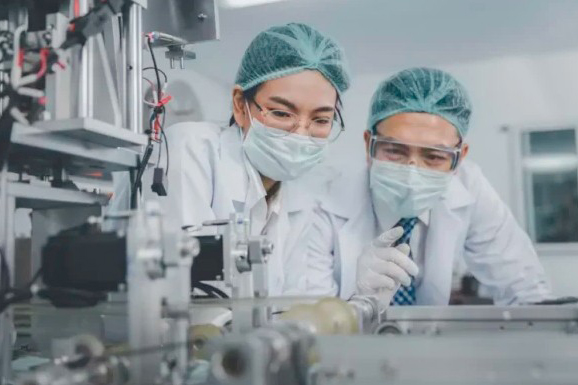
A sterile processing technician is a professional who prepares surgical instruments and devices. Other titles a sterile processing technician may be called include central processing technician, sterile preparation technician, central sterile supply technician, and more. They clean, inspect, test, sterilize, store, and deliver devices needed for surgery in healthcare facilities.
The main goal of a sterile processing technician is to prevent the spread of infection by ensuring that all instruments are disease-free. Other job duties may include, verifying and accurately documenting missing instruments, recording sterilizer test results, ensuring each instrument is in good working order prior to use, operating and maintaining steam autoclaves, and effectively communicating with operating room personnel and others.

Surgical Technologist
A Surgical Technologist, also called an Operating Room Technician, prepares operating rooms and arranges the proper equipment for surgery. They work alongside doctors during surgery and prepare the patient for their surgery. They have the opportunity to interact with patients pre-surgery, during surgery, and post-surgery.

Surgical/Sterile Processing Technician
A Surgical/Sterile Processing Technician combines the duties of a Surgical Technologist and a Sterile Processing Technician. This position receives, documents, packages, sterilizes, stores, and/or issues instruments, equipment and supplies for patient care as well as assists the surgical team and deals directly with the patient.